
The global automotive industry is in the midst of a shift toward lighter, more complex components—from tiny sensor housings to intricate engine brackets—where even a 0.05mm deviation can compromise safety or performance. For manufacturers grappling with these tight tolerances, the latest generation of IO forming machines has emerged as a game-changer, delivering unprecedented precision that’s reshaping how automotive parts are made.
Traditional IO forming equipment, while reliable for basic tasks, often struggled with consistency when processing high-strength materials like aluminum alloys or carbon-fiber composites—common in modern electric and hybrid vehicles.
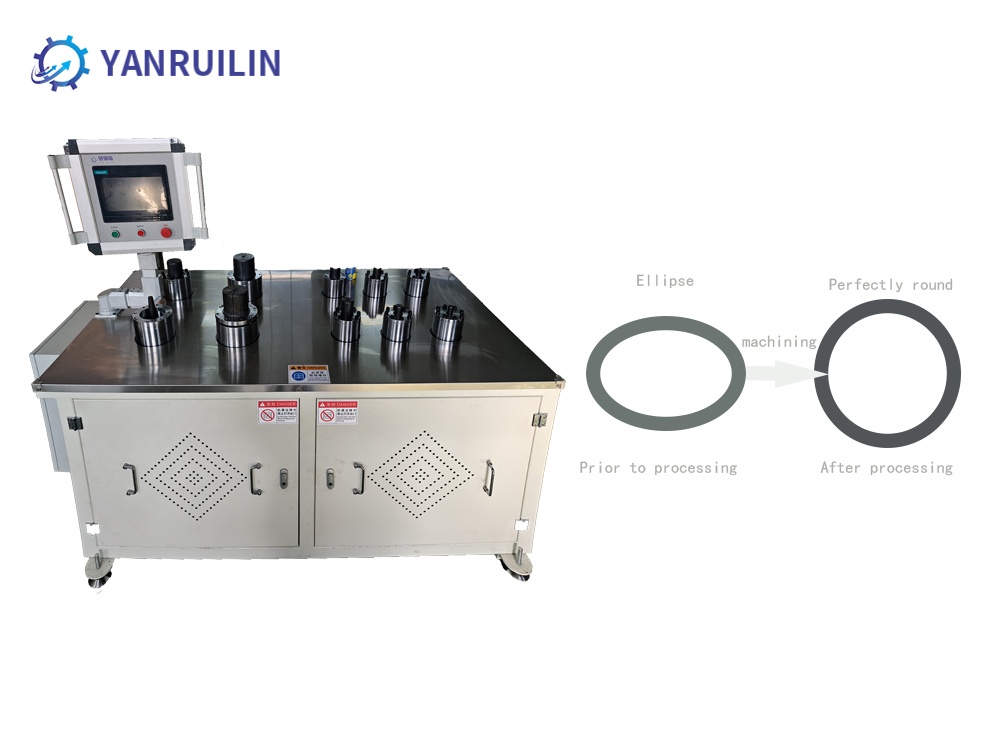
The breakthrough lies in three key technical upgrades. First, the machines integrate advanced servo-driven control systems (paired with high-resolution encoders) that adjust forming pressure and speed in real time, reducing positioning error to as little as ±0.02mm—half the tolerance of older models. Second, a smart temperature regulation module maintains uniform heat across the forming die, critical for materials like magnesium alloys that are sensitive to thermal fluctuations. Finally, built-in 3D vision inspection automatically scans each part post-forming, flagging anomalies before they move to the next production stage.
These improvements aren’t just about reducing waste—they’re enabling manufacturers to take on more complex projects.
Another advantage is adaptability. The new IO forming machines support quick die changes—taking as little as 15 minutes, down from 45 minutes with older equipment—making them ideal for manufacturers producing multiple part types. This flexibility is critical as automakers shift to smaller production runs for niche models or custom components.
Industry analysts predict that adoption of these advanced IO forming machines will accelerate in the coming year, especially as automakers double down on EV production.
For manufacturers still relying on older equipment, the message is clear: upgrading to the latest IO forming technology isn’t just an investment in precision—it’s an investment in staying competitive.
This website uses cookies to ensure you get the best experience on our website.

 Español
 Pусский
 Deutsch
 日本語
日本語 한국어
한국어 Italiano
 Türk dili
 हिन्दी
 Indonesia


Comment
(0)